Due Miniature Futile (Two Futile Miniatures)
A chamber diptych on lost innocence
Scores & Recordings
 Download score (PDF)
 Download recording (MP3)
Recording
Summary
Due Miniature Futile is a short chamber diptych poised between grotesque humor and social discomfort. Written for violin, clarinet, and piano, it filters Satiean reduction through Webernian concision, Kagelian irony, and a faintly belated Prokofiev-like lyricism, setting a beggar’s tune beside the swagger of streetwise rap to trace the eviction of childhood innocence by the logic of survival.
Imprint
| Orchestration | Violin, clarinet and piano / |
|---|---|
| Lyrics | — |
| Duration | 7:20′ |
| State | Finished |
| Completed | 2016 |
| Premiered | 2016 (Reggio Emilia, Italy) |
| Performed by | — |
| Honors | Nominated among the 8 finalists (out of 37) during the contemporary music composition contest held by Fondazione Giorgio e Aurora Giovannini, the 2016 edition |
| Copyright | Claudius Iacob |
Program notes
Due Miniature Futile proposes an intentionally uneasy listening experience, suspended between laughter and grief, detachment and moral involvement. Its language actively seeks friction: Satie’s cultivated futility and reductionism, Webern’s pointillist austerity, Kagel’s corrosive irony, and a residue of belated Prokofiev-like lyricism are made to coexist within a compressed chamber discourse for violin, clarinet, and piano.
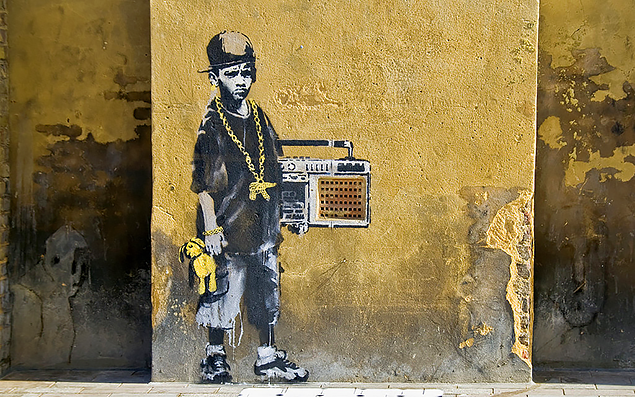
The two miniatures draw their force from material that is less innocent than it first appears. Il piccolo bambino grows out of a beggar’s song the composer unwillingly absorbed during repeated subway journeys. Il filosofo, by contrast, drifts toward a rough neighborhood rap, with hints of hip-hop inflection. Placed side by side, the two movements suggest a world in which children are initiated too early into the code of the street and taught to trade vulnerability for precocious hardness.
The true discomfort of the piece lies there, rather than in its abrupt stylistic collage. The music remains playful, angular, and at moments genuinely funny, yet its wit keeps opening onto something harsher. The listener is left in an unstable zone between amusement and pity, invited not only to enjoy the absurdity of the surface but also to register the social wound beneath it, and perhaps to ask whether such scenes are merely to be observed or should also provoke a response.